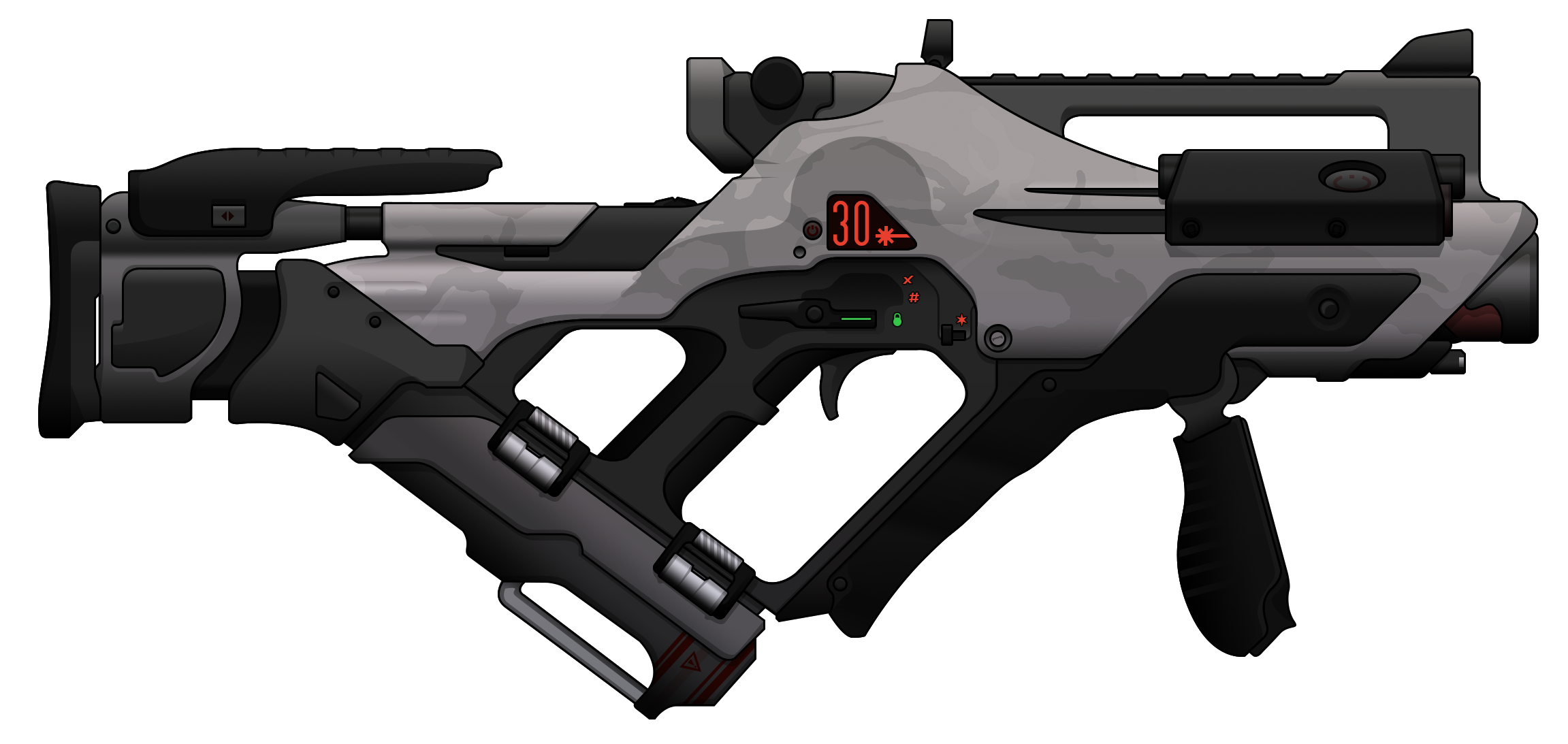
Scatterverse is a science-horror project that addresses emergent order, anxiety, and agency. The world is ruled by the System, an international order that emerged after the collapse of old imperial powers. While the System has nearly eliminated both poverty and traditional warfare, it is not without problems. The world is consumed by Conflict, a three-way interplanetary Cold War where the primary tools are sabotage, subterfuge, and nightmarish information weapons. These weapons are gridboxes: computers capable of predicting and influencing large groups of people. The balance of Conflict is maintained by Verdant, an international agency charged with maintaining consensus reality. Naturally, the System has enemies, including the enigmatic Kingbreaker, an entity that intends to rot the System from within.
Let’s talk about what I actually want to do with Scatterverse. While this is important, the way I’ve listed these areas of exploration is a little dishonest. Listing them this way suggests that they were my first principles. In reality, most of them came out of developing the project after the fact. They really aren’t “themes”, either, though some of them are precursors to themes. In any case, my hope is to help you understand where I’m going with this project. If things aren’t clear yet, just keep these points in mind when reading up on the specific details.

Accordingly, I explore feelings of powerlessness, vulnerability, and insignificance. However, this is not a world without hope. Instead, Scatterverse is a love letter to freedom: the individual's capacity to become aware of their power, to choose, and to create meaning in a meaningless universe.
Here, I am imagining violence as the removal of choice. Consider that individuals don’t only identify themselves, but are also identified by others. There are a million other examples. Violence of this nature is complex, invisible, and pervasive.

Imagine a group of hedgehogs in winter. If they huddle, they stab one another; if they stay apart, they will shiver. People face a similar problem: close relationships are inherently vulnerable ones, but loneliness is even worse for us.
Social realities are more important than spacecraft, and I focus my efforts accordingly. Realism is valuable insofar as I find mundane characters and stories hit closer to home. The details matter, but should take centre stage only when they are relevant to human experiences.

Stage magicians exist even though real wizards don’t. Every expert is a stage magician: they understand a system in ways that its non-expert users, observers, or victims cannot. Without this understanding, a rational phenomenon feels magical. Magic depends on a power differential.
Once I'm finished with the world, I plan on using it to make a few different kinds of content. I'm looking at short stories, long-form prose, and possibly iOS games or visual novels. (Stay tuned!)